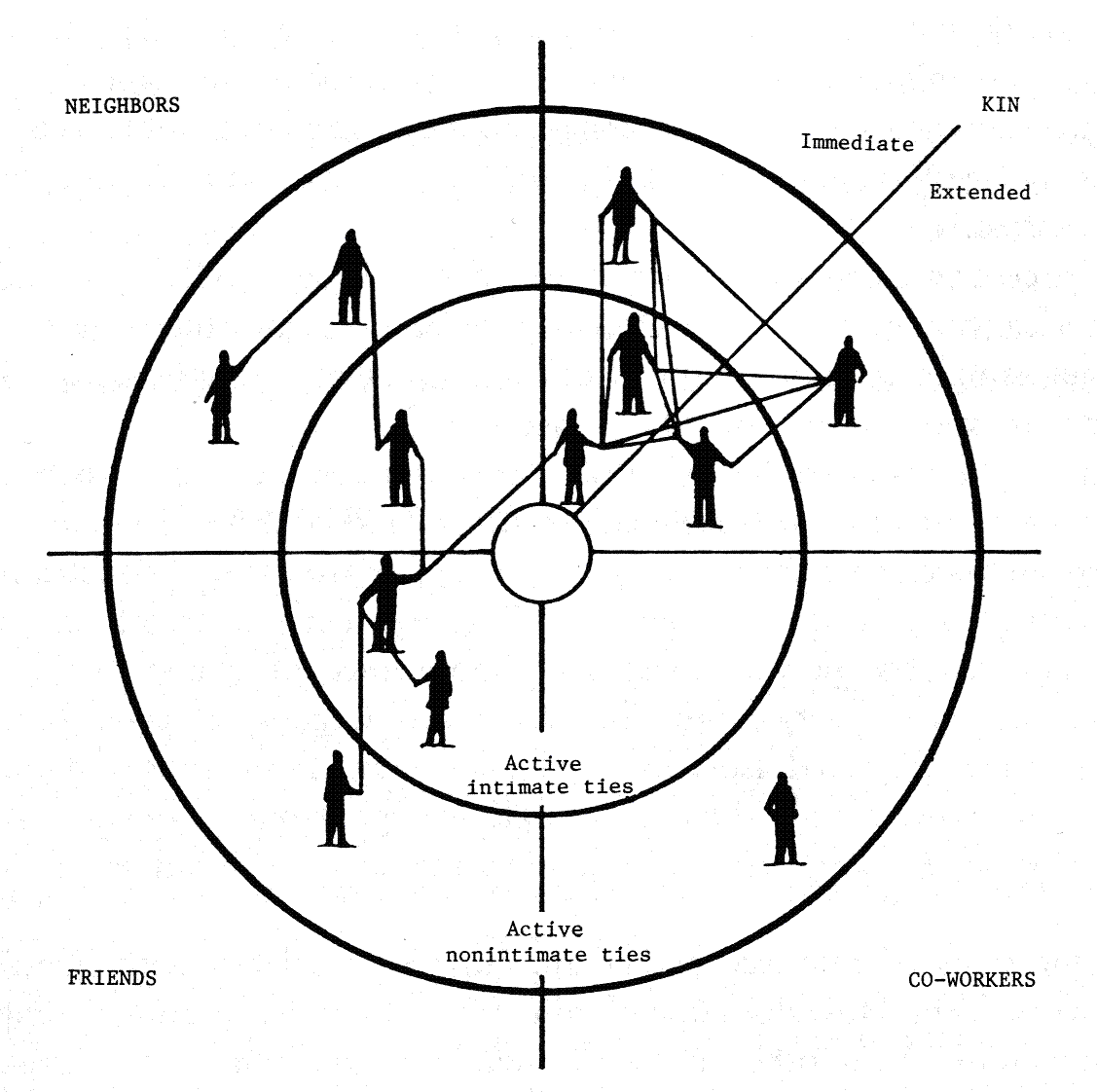
 Fragmentation affects people as well as landscapes. Connectivity is important for personal resilience as much as it is for biodiversity in a landscape. Isolation can lead to the extinction of an individual as much as a species. Isolation of a species in a woodland for instance can be mitigated by increasing connectivity by planting hedgerows. For people, connections need to be made to others: humans didn’t evolve to be alone but are group-living organisms and isolation impacts profoundly on our mental health. But for both, the quality of the connection and how it is managed is critical. If a connection is not maintained it deteriorates. Some connections may act as traps: negative relationships with people can be damaging to a person and prevent them from flourishing. Hedgerows in poor condition may actually increase predation risk (hedgehogs and badgers?).
Look for opportunities to make good connections and work to keep them that way.


 James T Jones
Leave a comment